


What a week. The stories dominating this space right now are not abstract policy debates, they are human, immediate, and urgent. From the death of Nazeer in ICE custody, to Afghan families still waiting in limbo at Camp As Sayliyah, to escalating regional conflicts that are closing pathways and increasing risk, the through line is clear: Afghan allies are being tested again, and the systems meant to support them are under real strain.
In this week’s update, we’ll cover the stories above as well as some of the policy work that AfghanEvac is helping to drive. But first, please check out our Action Items this week.
Action Items
Watch and share: This nearly 10-minute segment aired on ABC News during primetime on Friday. The more people who see it, the harder it becomes to ignore what’s happening.
Wear the mission: Our store is open. You can show the world you’re part of this movement, while directly supporting the work to get Afghan allies to safety.
Use your voice: Reach out to your members of Congress and urge them to support continued pathways for Afghan allies, including additional SIV visas and safe relocation options. This issue remains bipartisan, and constituent voices matter right now.
Update on Nazeer’s Death
Mohammad Nazeer Paktiawal, a 41-year-old Afghan ally and father of six, died less than 24 hours after being taken into ICE custody in Texas, prompting growing calls for answers from his family, advocates, and members of Congress. Nazeer had worked alongside U.S. forces and was evacuated to the United States in 2021, with a pending asylum case at the time of his arrest.
His body has now been returned to Afghanistan for burial. The autopsy has been completed, with results expected later this week, which will be critical to understanding the cause of death and determining accountability. As his family continues to seek answers, this case is raising broader concerns about the treatment of Afghan allies in U.S. custody and the need for transparency moving forward.
We will not let his death be in vain.
CAS Update
We are continuing to track developments closely and advocate for Afghan families at Camp As Sayliyah, both privately and publicly.
Our advocacy is working. We are seeing signs of movement, and there is increased urgency across stakeholders to move the approximately 1,100 residents at CAS, most of whom are women and children, to safer conditions. Significant work is underway, and we recognize the sustained efforts of State Department staff and others working toward solutions.
Progress is being driven in no small part by the advocacy and courage of Afghans at CAS, especially young people, who have helped ensure their situation remains visible and cannot be ignored.
From our perspective, success looks like:
Safety: Families, especially children, out of areas at risk of missile fire
Dignity and stability: Freedom of movement and immediate work authorization in any country to which they are relocated and / or resettled
Clarity of status: Durable options for those with denials, continued pathways for those pursuing U.S. relocation
Honoring commitments: Relocation to a third country does not replace promises made to Afghan allies
Opportunity to thrive: Safe environments with economic opportunity and community
Clarity of communications: Leave nothing to be inferred. Communicate completely.
We are not part of third-country negotiations, but we remain actively engaged and will continue pushing for outcomes that meet these standards.
Reducing uncertainty remains central to our work. This week, we shared a memo with the State Department outlining key questions we are hearing directly from Afghans at CAS regarding movement, timelines, and next steps, and we will continue pressing for clear answers.
Impact of Regional Conflict on Afghan Allies
The escalating war in Iran is deepening risks for Afghan allies across the region, with no clear path to de-escalation in the near term. Ongoing strikes on energy infrastructure and continued retaliation are driving broader regional instability, disrupting transit routes, and increasing economic pressure on host countries already supporting large Afghan populations.
For Afghans in Iran, conditions are rapidly deteriorating. UNHCR reports surging demand for assistance, overwhelmed support systems, and growing barriers to healthcare and basic services, while more than 300,000 Afghans have already been forced to return from Iran and Pakistan this year under worsening conditions. As conflict expands and pathways tighten, thousands of vetted Afghan allies face the real risk of being stranded in increasingly unstable and hostile environments.
Afghanistan - Pakistan Conflict
Fighting between Afghanistan and Pakistan has escalated sharply in recent weeks into sustained cross-border strikes, driven largely by Pakistan’s claims that the Taliban is harboring militants targeting its territory, which Kabul denies.
The most alarming development was a Pakistani airstrike in Kabul that struck the Omid drug rehabilitation center, reportedly killing more than 400 people and injuring hundreds more, making it the deadliest single incident in the current conflict. Pakistan says it targeted militant infrastructure, but Afghan officials, witnesses, and independent analysts indicate the strike hit or severely impacted a civilian medical facility, prompting international calls for an investigation.
The conflict, now approaching open warfare, has already displaced tens of thousands and raised serious concerns about regional instability, with limited, temporary pauses like the recent Eid ceasefire offering only brief relief.
Policy Updates
Last week, a bipartisan group of members, led by Rep. Jason Crow, penned a letter to House appropriators urging the inclusion of 20,000 additional Afghan Special Immigrant Visas in the FY27 budget, reinforcing America’s commitment to our wartime allies. AfghanEvac and others worked with the lead office to support outreach, helping drive engagement across every single congressional office and ultimately securing signatures from nearly a quarter of the House. At a time of deep division, this level of bipartisan support makes clear that standing by Afghan allies remains a shared American priority.
Trip to Berlin
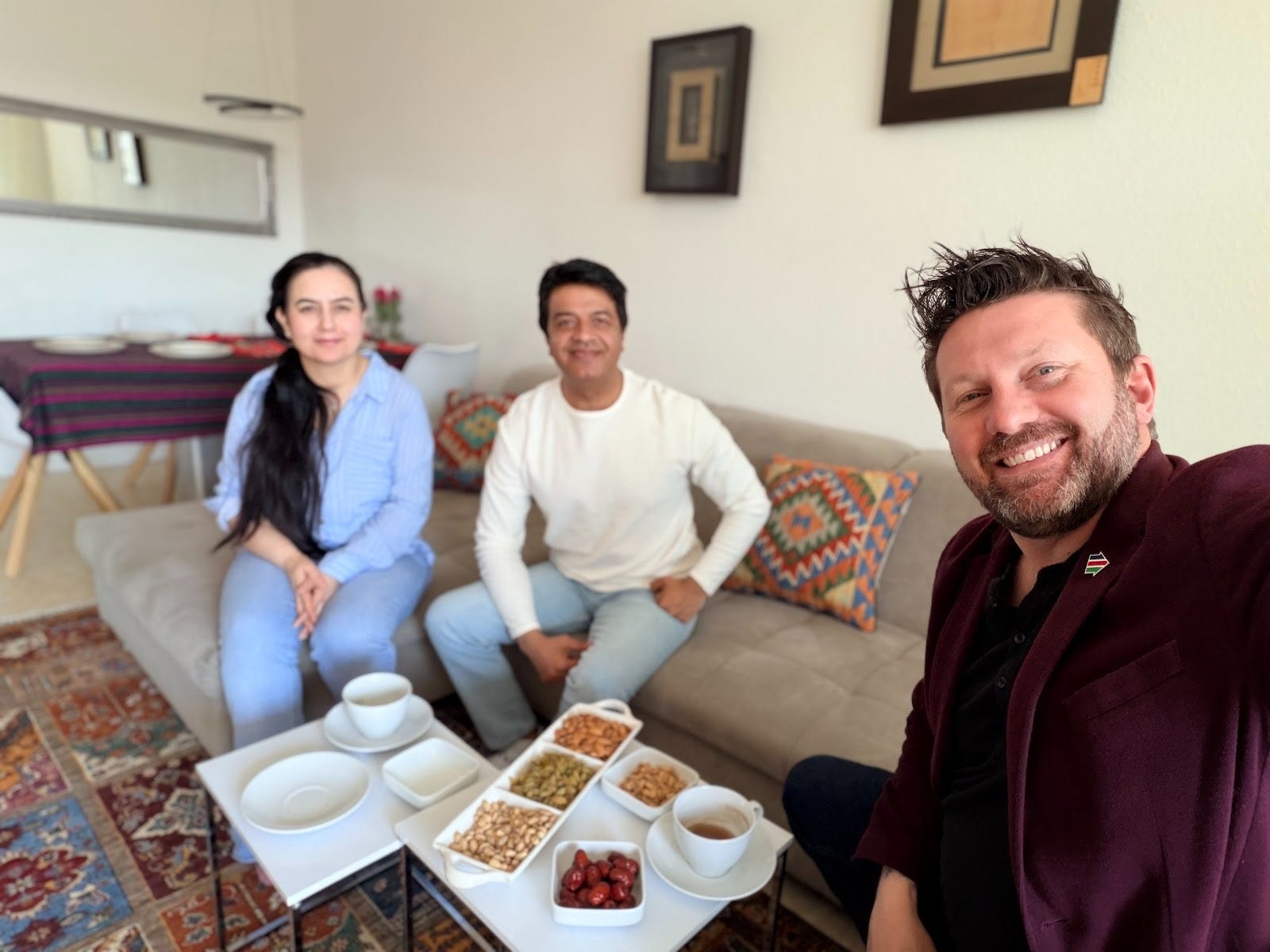
Our recent trip to Berlin focused on strengthening coordination with key international partners and reinforcing the urgency of sustaining relocation pathways for Afghan allies. Across meetings with government officials, NGOs, and coalition partners, there was clear alignment on both the moral obligation and strategic importance of continuing this work, even as global attention shifts and competing crises emerge.
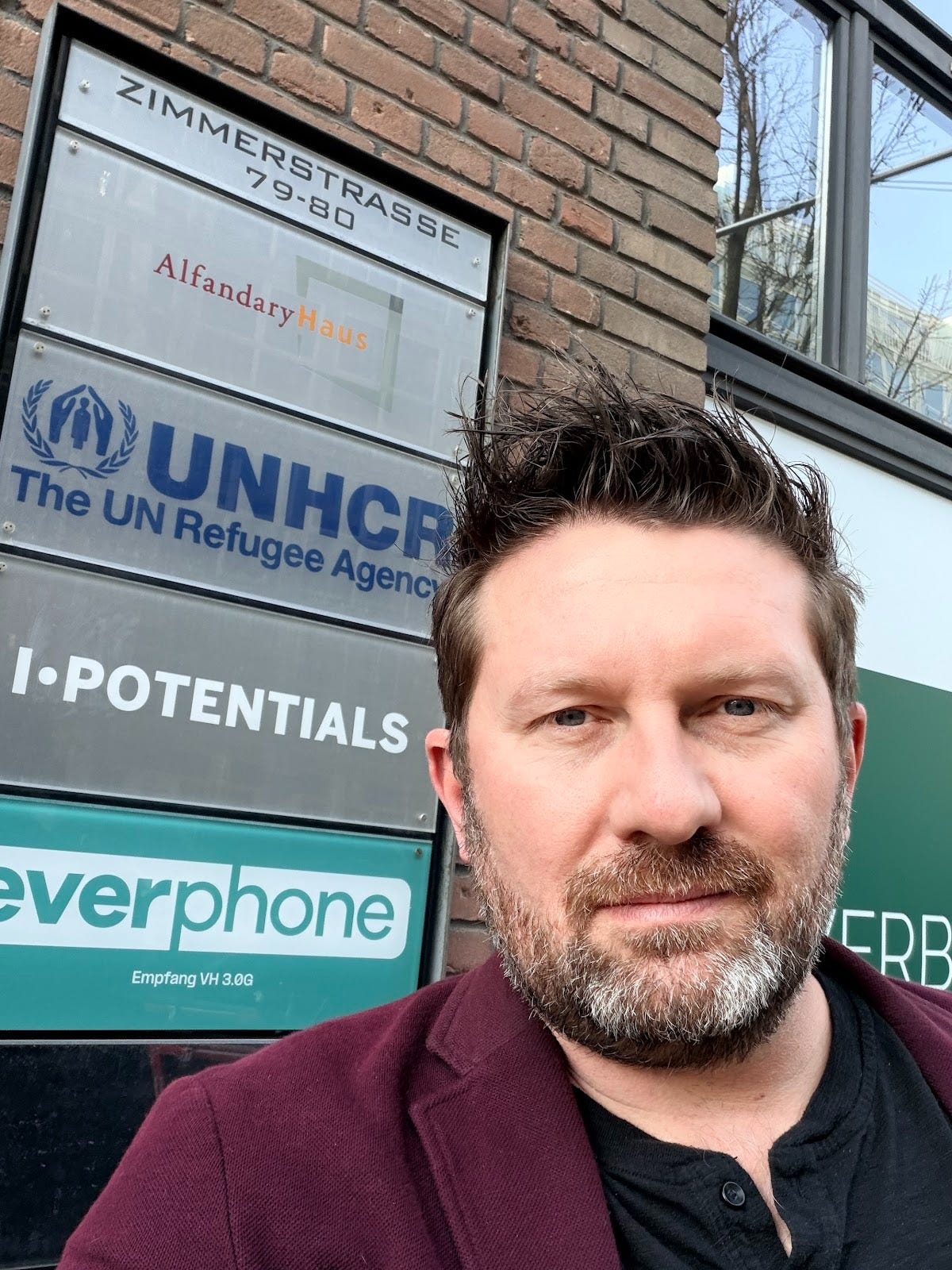
We also used the trip to highlight current challenges, including pipeline disruptions, regional instability, and the growing population of vulnerable Afghans in third countries. The conversations in Berlin underscored that while progress is still possible, it will require continued international cooperation, clearer policy direction, and sustained pressure to ensure that commitments to Afghan allies are upheld.
Community, Resilience, and the Work Ahead
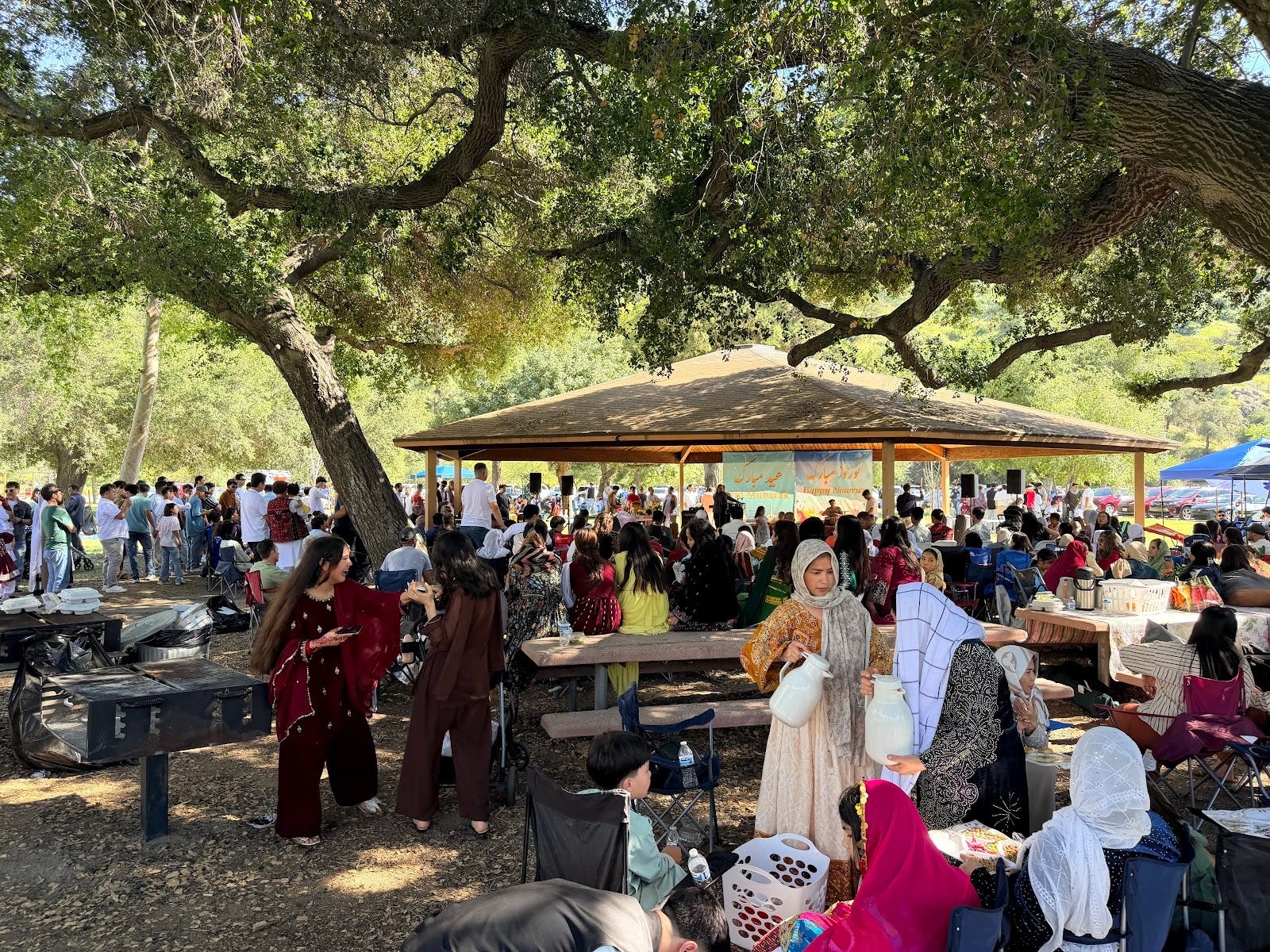
I had the opportunity to join the San Diego Hazara community this weekend for their Eid and Nowruz celebration, and it was a powerful reminder of what this work is really about. I met so many individuals who have been supported by AfghanEvac, and many more still searching for answers for loved ones waiting to begin their new lives in the United States.
From a ServiceNow expert, to a house painter, to a pilot whose wife was recently able to relocate, to Afghan women leaders and local San Diego supporters, the room reflected both the resilience of the Afghan community and the broad coalition standing behind them. It underscored, once again, that this effort is not just about policy, it is about people, families, and the futures they are working toward.
In the Press
Afghan evacuees in limbo in Qatar camp accuse US of betrayal – BBC News
US moved over 1,000 refugees to a base in Doha, now it’s a target — ABC News
How an Afghan man who aided U.S. military forces died in ICE custody in Texas — Houston Public Media
Family of Afghan man who died in ICE detention says he was ‘a hero for American people’ – The Independent
Son and brother of Afghan man who died in ICE custody demand answers: “I want to know why he died” – CBS News
Afghan who worked with US military dies in ICE custody: Advocacy group — The Hill
The fight to control the narrative in the Afghan-Pakistan conflict – BBC News
Caught Between Two Conflicts, Afghans Flee Iran — New York Times
This moment demands clarity, urgency, and follow-through. The United States has the tools, the partnerships, and the bipartisan support to meet this challenge, but only if we choose to act with purpose. Afghan allies have held up their end of the promise. Now it is on all of us, across government, civil society, and the coalition that has carried this effort forward, to ensure we do the same.
Click/send links would lead to many more letters being sent.